
Bridleways, byways, access and bikes
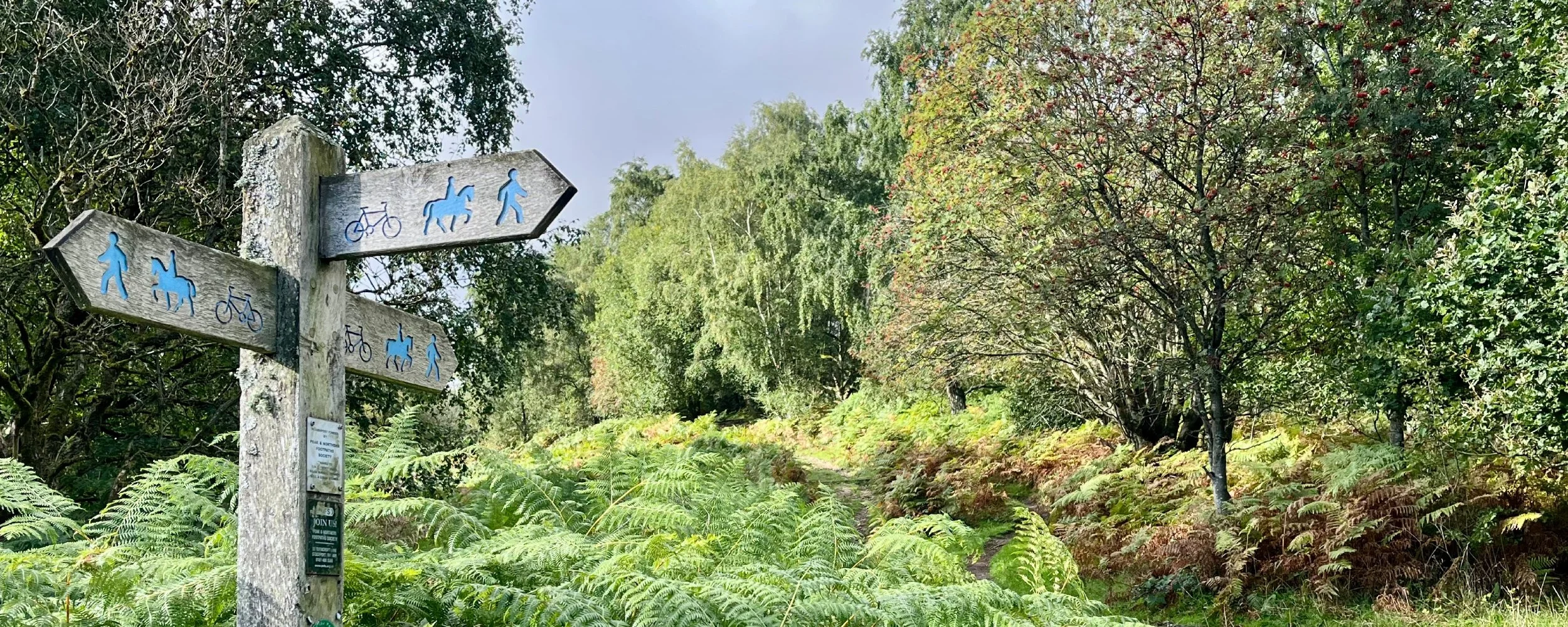
Our beautiful landscapes, from rolling hills to dramatic coastlines, are something all outdoor enthusiasts cherish. But who truly has the right to enjoy them? Are our access laws as inclusive as they could be?
In England and Wales, the primary access rights are governed by the Countryside and Rights of Way Act 2000 (or CROW Act). This legislation opened up significant areas of land for public access, where we now have the freedom to roam across 3.4 million acres of open access land, as well as the coastal margin, which follows the 3,000 mile English coastline.
Unfortunately, activities like cycling and horse riding are largely restricted when compared to access that walkers have. It’s with questioning whether this is fair, and would the impact on the environment actually be so different?
To understand the issue, we must recognise the cultural and historical context. England and Wales rights of way network stretches back centuries. These ancient footpaths and bridleways reflect the legacy of a time when walking was the predominant mode of travel. Yet, today’s recreational landscape is far more diverse.
“Cyclists, horse riders, climbers, and even paddlers all seek to enjoy the countryside. But despite all of this, walkers enjoy greater freedoms than any other group.”
Take, for example, the rules on access land. While walkers can roam relatively freely, cyclists and horse riders are frequently left to navigate complicated permissions or face being moved on. We are largely confined to bridleways and byways, which make up just over 20% of the rights of way network. To put it another way - there is an estimated 120,000 miles of public rights of way officially recorded across England and Wales. However, only about 27,000 miles of that is available to cyclists and horse riders (approximately 21,000 miles of bridleways and 6,000 miles of byways or BOAT’s). That’s a lot of land and trails that we have no legal access to.
But just as important as the total length of accessible trails is how they join up to create a route or network. If you look at a map, the network of bridleways and byways is very fragmented, you are often left using sections of road to join them up. This imbalance raises questions about equality. Shouldn't our access laws reflect the broad spectrum of activities people engage in today?
“Encouraging diverse outdoor pursuits can bring a wider demographic into the countryside, promoting both physical and mental health”
Opponents might argue that extending access could lead to overuse, environmental degradation, or conflicts between users. These are valid concerns. Especially given all the recent fires that occurred across moorland. But, I for one, believe this can all be addressed through responsible stewardship, clear guidelines, and education. Many countries, like Scotland, have adopted more inclusive access laws through their "right to roam" legislation. These laws attempt to balance access with environmental protection.
Has Scotland got it right? Why shouldn’t England and Wales aim for the same?
Advocacy for reforms to access laws is growing. Organisations like The British Horse Society, Cycling UK, and even grassroots wild camping movements are calling for fairer access rights. Supporting these campaigns is one way to help. Another is to have open conversations about balancing the needs of all users without compromising our landscapes.
Whilst walkers have long been the primary beneficiaries of England and Wales access rights, our laws need to, and should, evolve to reflect modern recreational needs in a responsible way. Done responsibly, with an attitude of care and respect, greater access could work.
It’s time to challenge ourselves to think beyond tradition and move toward a system that ensures fairness, encourages inclusivity, and protects our natural heritage and wildlife for everyone.